Sun hours, summer heat, and why it all matters
The central San Joaquin Valley gets more usable solar irradiance than most of the country. Roughly 5.5 peak sun hours per day on an annual average, climbing past 8 hours daily during summer. That's the engineering reason a 7 kW system in this region produces meaningfully more energy than the same 7 kW system installed in Seattle or Cleveland.
But sun hours alone aren't the story. The story is what they line up against: a typical Fresno home with central air pulls 30 to 45 kWh per day during July and August. That cooling load is what creates a $400 to $700 summer PG&E bill. Solar pencils out so well here because production peaks right when consumption peaks. The system is generating power exactly when you need it most.
For agricultural operations across Fresno County, the math is even more extreme. Year-round irrigation pumping, cold storage, and processing facilities create base loads that solar can offset cleanly, and at commercial scale, the tax structure (depreciation plus credits) makes the payback period unusually short.
PG&E rates, time-of-use, and what NEM 3.0 changed
If you're served by PG&E in this region, you're almost certainly on a time-of-use rate plan. Power is cheap during the day (when solar produces) and expensive during the 4pm–9pm peak window (when most families come home and crank the AC). Under the previous NEM 2.0 program, excess midday solar exported to the grid earned roughly retail rate credit. Under NEM 3.0, that export credit dropped by about 75%.
What that means for the system design: panels alone still work, but they don't work as well as they did three years ago. Adding battery storage to shift midday production into the evening peak window now creates significantly better economics for most homes in this area. We model both scenarios for every quote so you can see the difference in your specific situation.
What about the federal tax credit?
The 30% residential federal solar credit (the ITC) ended in late 2025. But the commercial clean energy tax credit and accelerated depreciation are still active, and that's the engine behind Propel Financing. Concert Finance owns the system commercially for the first five years, captures those incentives, and passes most of that benefit to you as a 30 to 40% upfront discount on your system cost.
Sizing systems for 105° summers
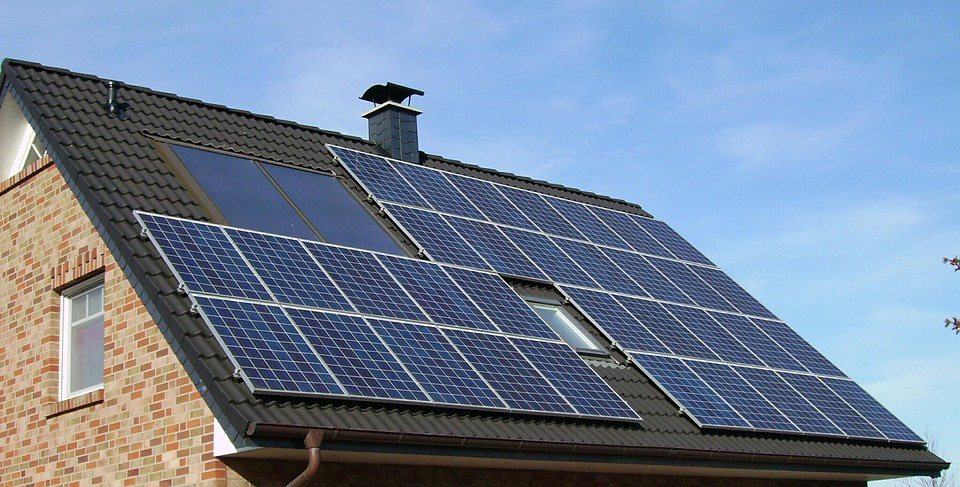
System sizing in the Valley isn't about matching annual usage in a vacuum. It's about understanding your peak summer load, your roof's solar window, and how NEM 3.0 changes the economics of overproduction. We pull 12 months of your PG&E usage, run satellite shade analysis, and design a system that matches your actual consumption pattern, not a generic average.
For most homes around here, that lands somewhere between 6 kW and 12 kW. Bigger homes with pools or workshops can push higher. We use Qcells 410W panels (Tier 1, 25-year warranty) paired with Enphase IQ8HC microinverters because the heat tolerance and per-panel monitoring matter when summer rooftop temperatures push past 150°F. Cheaper string inverter setups underperform here, we've seen it on systems we've replaced.
Local financing: Propel, cash, and traditional loans
Three real ways to pay for solar in this region: pay cash, take a traditional solar loan, or use Propel Financing through Concert Finance. We're an authorized partner for Propel Financing, which is the most competitive structure available right now for homeowners who don't want to pay cash.
The short version: Propel captures commercial-side incentives that residential buyers can't access on their own, so the upfront price drops 30 to 40%. There are no dealer fees baked into the financing, no escalators on the monthly payment, no prepayment penalty, and you can re-amortize the loan up to three times if you decide to apply your tax credit later. Full comparison on our California solar financing page and our PPA versus ownership breakdown.
Permitting and install timeline
The on-roof installation is typically 1 to 2 days. The full timeline from signed contract to switched-on system is usually 6 to 10 weeks, mostly driven by city permits and PG&E interconnection approval. The Fresno building department processes solar permits reasonably quickly compared to other CA jurisdictions, but PG&E's interconnection queue can sometimes push things out 4 to 6 weeks on its own.
We handle every permit application, every inspection scheduling, and all PG&E paperwork. You sign documents, we do the rest. Once your system passes final inspection and PG&E activates net billing, you'll see usage shift on your next bill cycle, and you'll have monitoring access via the Enphase app to see daily production from your phone.