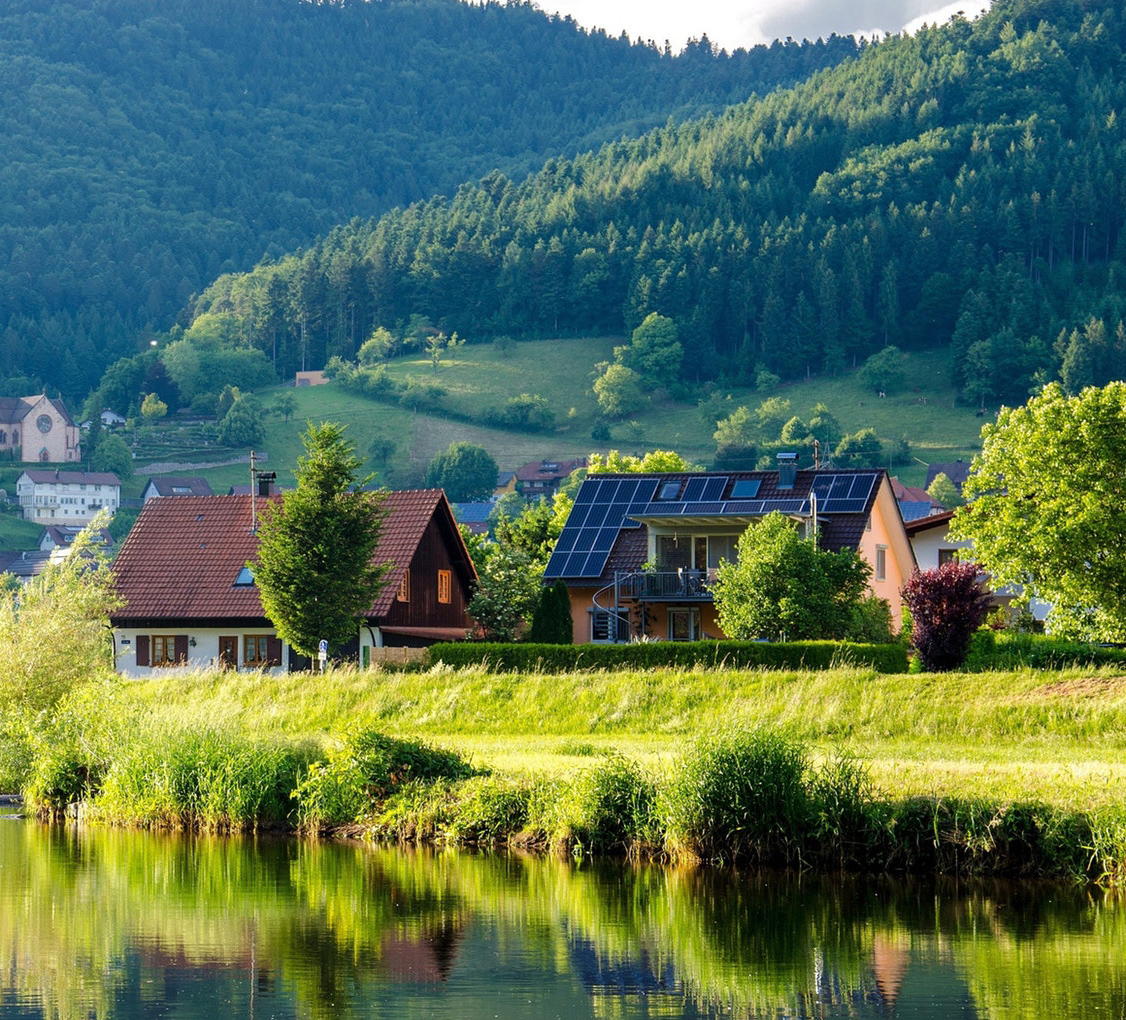
Sun, summer heat, and roof considerations
The capital region averages around 5.3 peak sun hours per day annually, climbing past 7 hours during the summer months. That's strong irradiance, comparable to the rest of the Central Valley, slightly lower than Tulare County to the south but still much higher than anywhere east of the Rockies.
Summer cooling load drives most household electric bills here. The dry Mediterranean climate means evenings cool down, but afternoon temperatures regularly hit triple digits from June through September. Solar production peaks right when AC demand peaks, which is the fundamental reason residential solar economics work so well in this part of the state.
One thing worth noting about Sacramento County: the housing stock varies a lot. Older Midtown and East Sac homes often have 25+ year-old roofs that need replacement before solar makes sense. Newer subdivisions in Folsom, Elk Grove, and Roseville generally have roofs in good shape. We'll flag roof condition during your free assessment so you can make an informed decision.
The SMUD vs. PG&E split
Most addresses inside Sacramento city limits are served by SMUD (Sacramento Municipal Utility District), a customer-owned utility. SMUD has its own Net Energy Metering program, which is currently more generous than the CPUC's NEM 3.0 tariff that applies to PG&E customers. For SMUD customers, exported solar earns better credit than PG&E side, which means battery storage is less critical to the economics.
Parts of the county, particularly newer subdivisions on the outskirts and some unincorporated areas, fall under PG&E. For those addresses, NEM 3.0 applies, and the recommendation usually shifts toward solar + battery to make the most of midday production.
We'll confirm your utility during the assessment and design accordingly. The financing structure is the same either way, Propel works for both.
What about the federal tax credit?
The 30% residential federal solar credit expired in late 2025. The commercial clean energy credit is still active, and that's the mechanism behind Propel Financing. Concert Finance commercially owns the system for the first 5 years, captures the commercial incentives, and passes that benefit back to you as a 30 to 40% upfront discount on system cost.
Sizing for the capital region
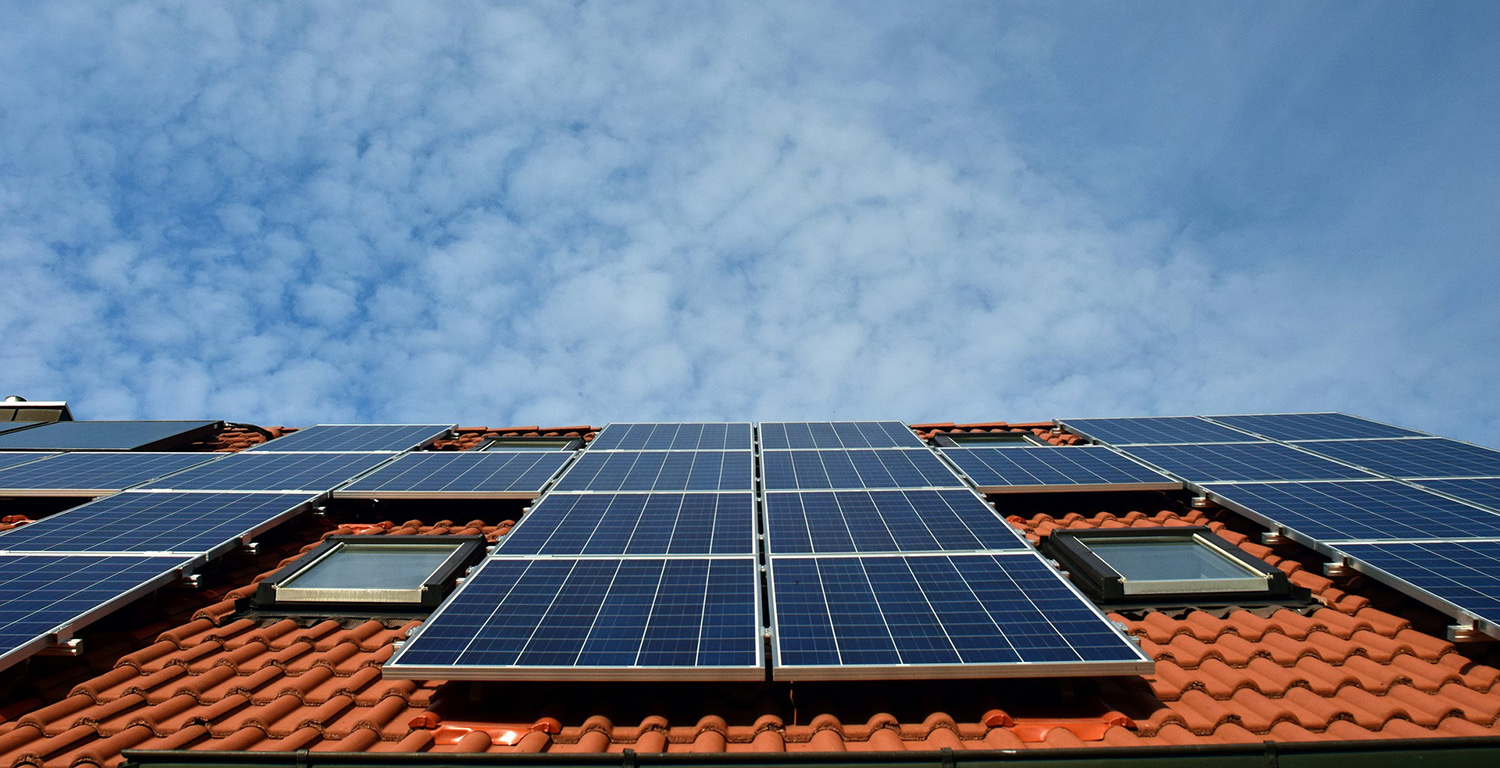
Most homes here need 6 kW to 11 kW. Larger homes with pools, multi-zone AC, or EVs trend higher. We pull 12 months of your SMUD or PG&E data, run shade analysis on satellite imagery of your roof, and design a system matched to your actual usage pattern.
Standard hardware: Qcells 410W panels with Enphase IQ8HC microinverters. The microinverters earn their keep in this market because tree shade is common, capital region neighborhoods have a lot of mature oaks, sycamores, and elms. Per-panel optimization recovers production that string inverters lose to even partial shading.
Financing options without dealer fees
Three real paths: cash purchase, traditional solar loan, or Propel Financing. We're an authorized partner for Propel by Concert Finance, which most homeowners in this market find pencils out best.
The structure: no dealer fees baked into the financing, no monthly payment escalator, no prepayment penalty, fixed 25-year term, and the ability to re-amortize the loan up to three times if you decide to apply windfall payments later. Full breakdown on our solar financing page, plus a side-by-side comparison versus PPAs and leases on the ESA versus ownership page.
Permitting and install timeline
On-roof installation is typically 1 to 2 days. Total project timeline from contract signing to switched-on system is usually 6 to 10 weeks. The Sacramento Permit Center processes solar applications reasonably efficiently. Interconnection approval (whether SMUD or PG&E) is usually the longest variable.
We handle all permit applications, inspection scheduling, and utility interconnection paperwork. You'll sign documents and we'll do the chasing. Once final inspection passes and interconnection is approved, your billing shifts to net metering on the next cycle.