Sun hours and what they mean economically
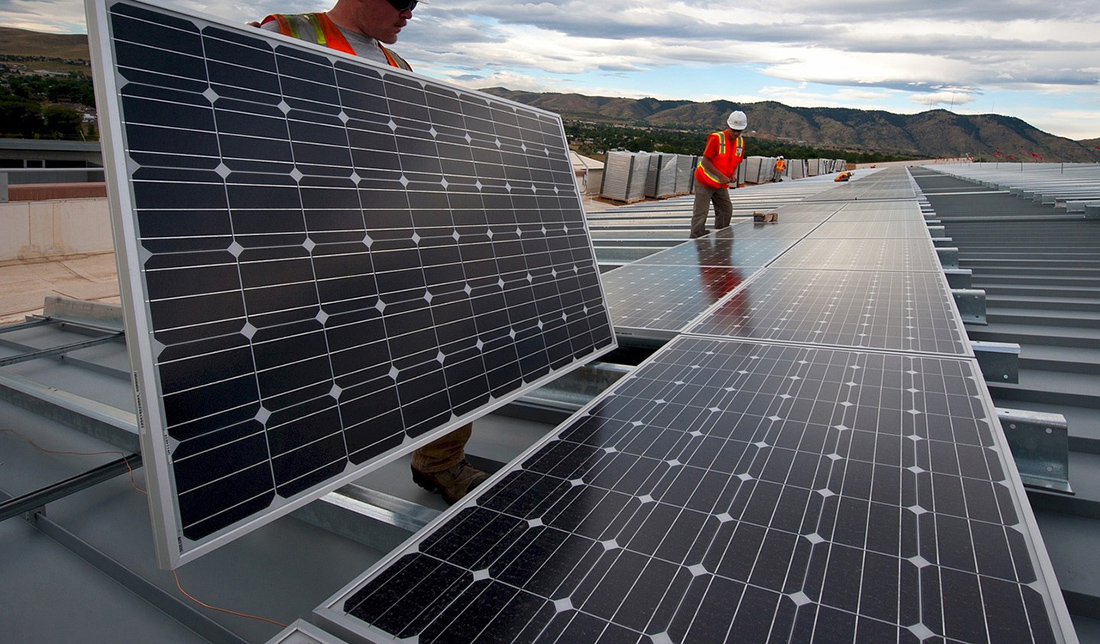
This part of the Valley averages around 5.4 peak sun hours per day annually, climbing past 7.5 hours in mid-summer. That's strong solar irradiance, better than every state east of the Rockies. Homes here typically generate enough rooftop energy in a year to offset 85% to 95% of total usage with a properly sized system.
What makes the economics work is the alignment between when the sun produces and when the area consumes. Summer cooling load is heavy from late morning through evening, and solar production peaks right in the middle of that window. The system covers your daytime AC, and a battery (if you choose to include one) shifts excess production into the high-rate evening hours.
The diversity of housing in San Joaquin County matters here. Older homes in central neighborhoods often have older roofs and less efficient HVAC, solar paired with a heat pump upgrade often makes more sense than panels alone. Newer subdivisions in Lodi, Manteca, and Tracy already have efficient HVAC, so the conversation is mostly about offset percentage and battery sizing.
PG&E rates and net billing
The entire county is served by PG&E on a time-of-use rate structure. Off-peak power is cheap; peak (typically 4pm–9pm) is expensive, and getting more expensive every year. PG&E's residential rates have climbed faster than inflation for over a decade.
NEM 3.0 (the current net billing tariff) reduced the value of exported solar by roughly 75% compared to NEM 2.0. The practical effect: solar still works, but the design changed. The new approach is solar + battery to capture more of your own production rather than exporting it cheap. For most homes in this market, that's now the default recommendation.
What about the federal tax credit?
The 30% residential federal solar credit expired in late 2025. But the commercial clean energy tax credit is still active and that's exactly what powers Propel Financing. Concert Finance owns your system commercially for the first 5 years, captures those credits plus accelerated depreciation, and passes most of that benefit back as a 30 to 40% upfront discount on your system.
Sizing systems for the north Valley
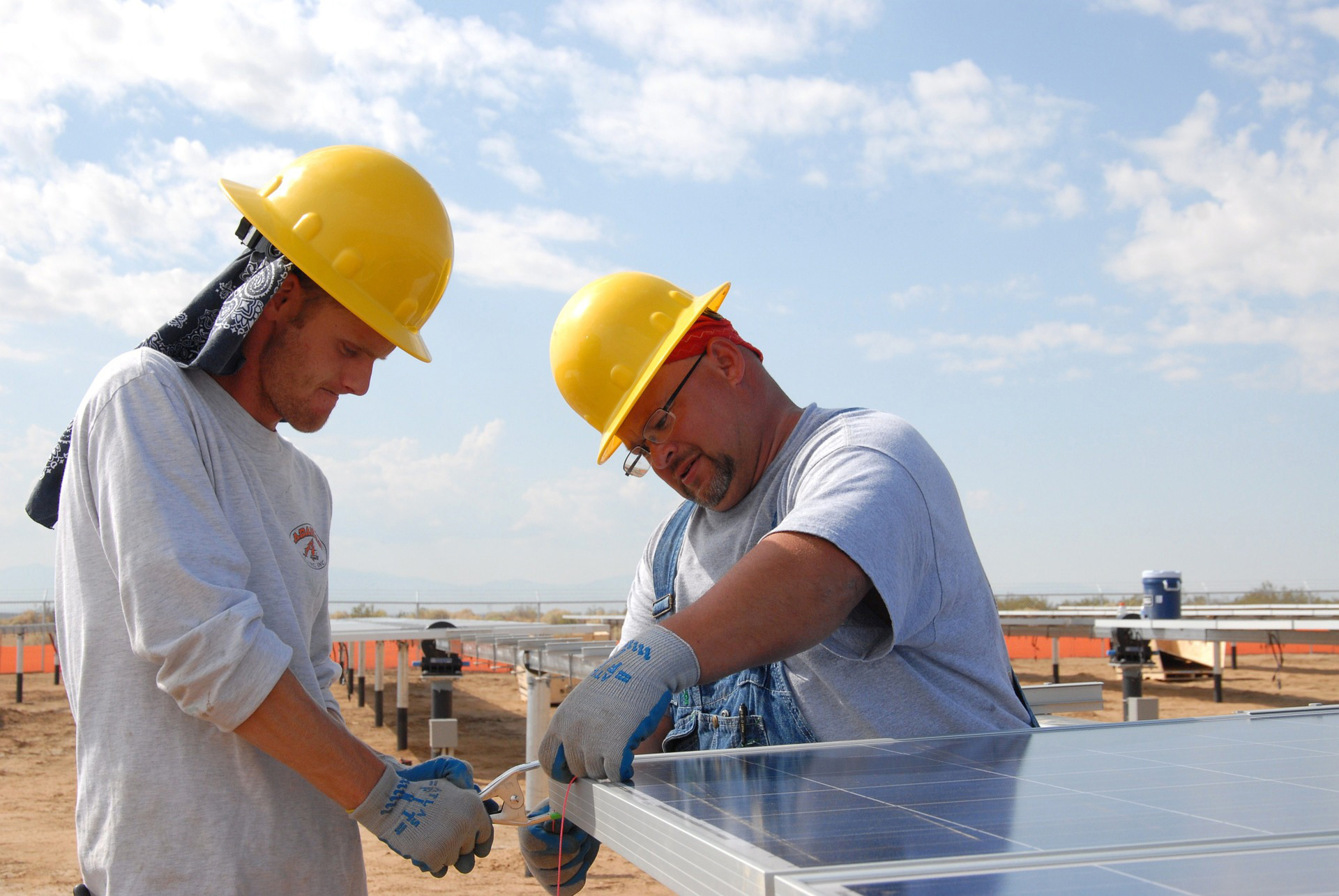
Most homes in this area need somewhere between 7 kW and 12 kW. Larger homes with pools or multi-zone AC trend higher. We pull your last 12 months of PG&E data, run satellite shade analysis on your roof, and design a system that matches your real consumption pattern.
Standard hardware: Qcells 410W panels and Enphase IQ8HC microinverters. The microinverter setup matters in this region because partial shade from oak trees, neighboring buildings, or chimneys is common, string inverters lose a lot of production in those conditions. Per-panel optimization through microinverters claws that back.
Financing without dealer fees
Three real paths: cash, traditional solar loan, or Propel Financing. We're an authorized partner for Propel by Concert Finance, which most homes in this area find to be the strongest option.
What makes Propel different: zero dealer fees baked into the financing, no monthly payment escalator, fixed 25-year term, no prepayment penalty, and the ability to re-amortize the loan up to three times. Full breakdown on our solar financing page, plus a head-to-head comparison versus PPAs and leases on the ESA versus ownership page.
Permitting and install timeline
The on-roof installation is typically 1 to 2 days. Full project timeline from contract to powered-on system is usually 6 to 10 weeks. The Stockton building department processes solar permits at a reasonable pace, and we coordinate directly with city staff to avoid delays.
We handle all permit applications, inspection scheduling, and PG&E interconnection paperwork. The final step is net billing activation, which takes effect on your next billing cycle once interconnection is approved.