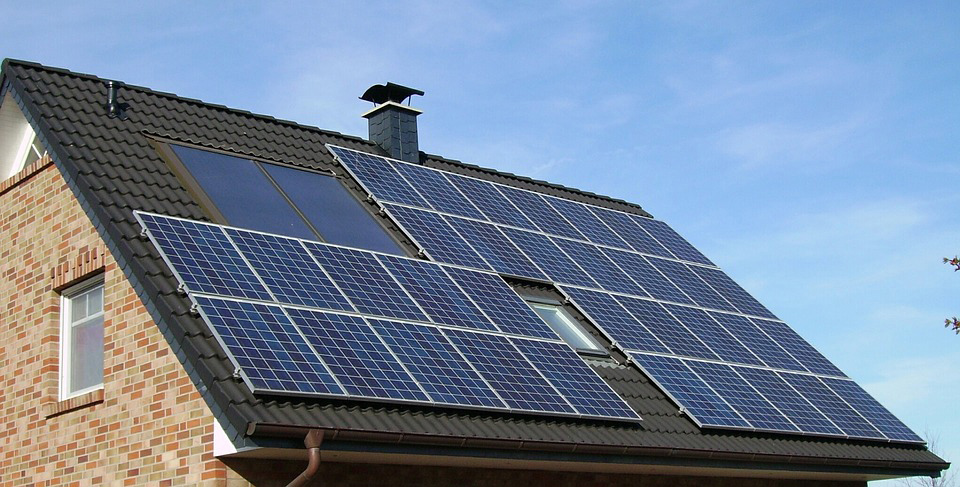
Sun, heat, and what it means for your roof
Tulare County averages around 5.6 peak sun hours per day, climbing past 8 hours in the summer months. That's stronger than 80% of the country, and it's the engineering reason solar systems in this region produce more energy per panel than systems in the Pacific Northwest, the Northeast, or the Midwest.
The flip side: summer rooftop temperatures regularly clear 150°F. That heat degrades cheap inverters fast and underperforms low-end panels. We use Qcells 410W panels and Enphase IQ8HC microinverters specifically because they handle Valley summers without the production drop-off you see from budget hardware.
For homes pulling $200 to $600 monthly bills (common across Tulare County), a properly sized system can offset 90% or more of annual usage. The remaining 10% comes from January and February shoulder months when the sun angle is lower.
Utility territory and net billing
Most of the area is served by PG&E, with some pockets in Southern California Edison territory toward the south. Either way, the same NEM 3.0 net billing tariff applies, and it changed the math for residential solar in a meaningful way.
Before NEM 3.0, exported midday solar earned roughly retail credit. After NEM 3.0, that credit dropped about 75%. The practical implication: pairing solar with a battery has moved from "nice to have" to "usually the right answer" for most homes. The battery stores midday production and discharges during the 4pm–9pm peak window when grid electricity costs the most. We model both scenarios for every quote.
The federal ITC is gone, so why solar now?
The 30% residential federal tax credit ended in late 2025. But the commercial clean energy tax credit is still active and that's exactly what powers Propel Financing. Concert Finance commercially owns your system for 5 years, captures those incentives plus accelerated depreciation, and passes most of that benefit back to you as a 30 to 40% upfront discount on the system cost.

Agricultural and commercial solar
Tulare County is one of the largest ag economies in the United States. Almonds, dairy, citrus, grapes, vegetables, and the irrigation, cold storage, and processing infrastructure that supports it all. Each of those operations has a substantial year-round electric load, and ag solar pencils out even faster than residential because commercial-scale systems unlock the full tax credit stack plus accelerated depreciation.
We design and install everything from ground-mount arrays on unused acreage to rooftop systems on packing facilities and pump-house mounts for irrigation wells. See our commercial solar page for the technical details.
Financing without dealer fees
Three real paths: pay cash, take a traditional solar loan, or use Propel Financing. We're an authorized partner for Propel by Concert Finance, which most homeowners in this area find pencils out best.
The structure: no dealer fees baked into the loan, no monthly payment escalator, no prepayment penalty, fixed 25-year term. Re-amortization is available up to three times during the life of the loan if you decide to apply windfall payments later. Full comparison of all financing options is on our solar financing page, and we break down why this beats a PPA or lease on the ESA versus ownership comparison.
Permitting and install timeline
On-roof installation is typically 1 to 2 days. Total project timeline (signed contract to powered-on system) is usually 6 to 10 weeks. The Visalia building department handles solar permits reasonably quickly. The longest variable is usually PG&E or SCE interconnection approval.
We handle all permits, inspections, and utility paperwork. You sign documents, we do the chasing. Final step is interconnection approval and net billing activation, after which production shows up on your next bill cycle.