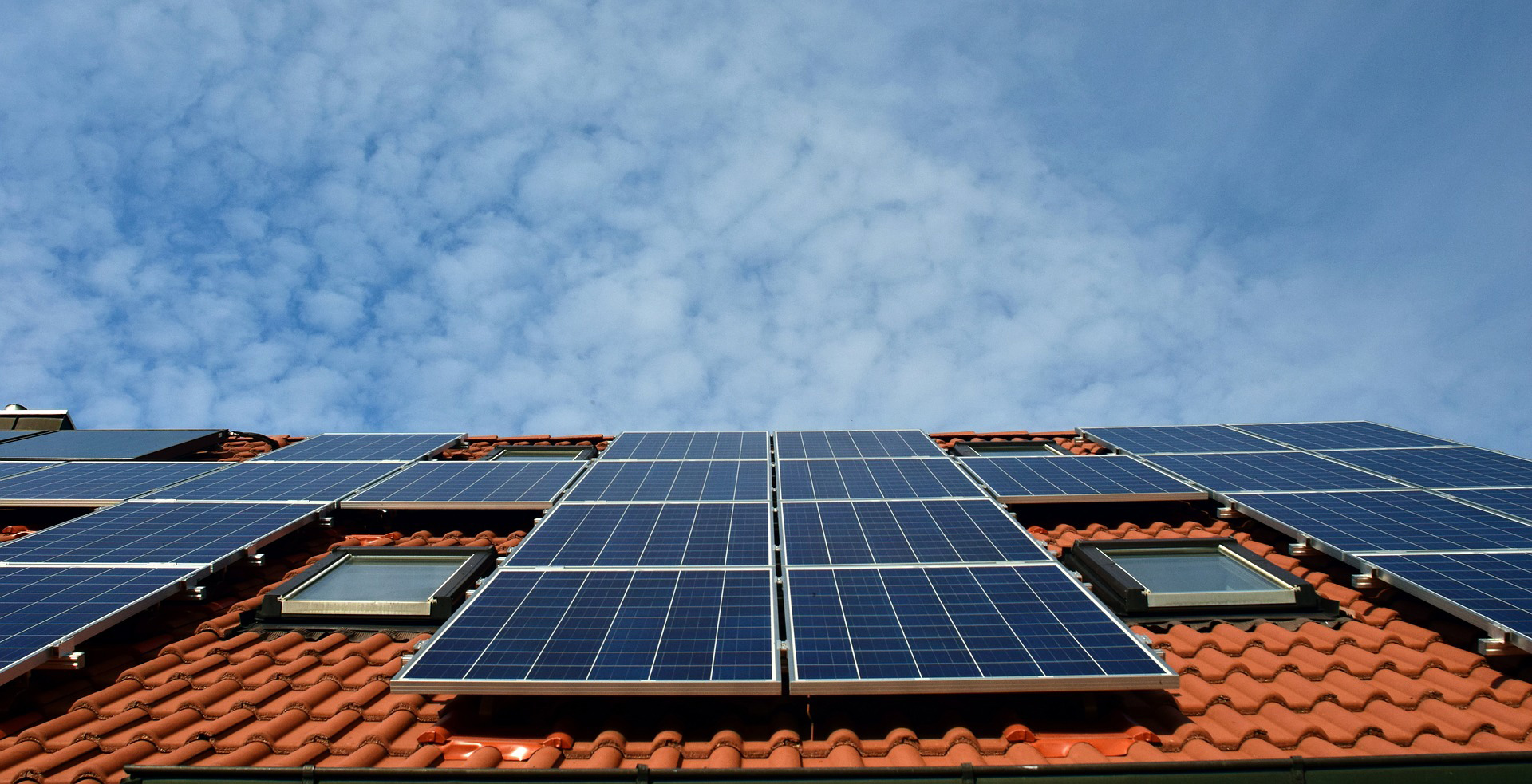
What residential solar installation includes
A complete residential solar system has four core components: the panels (which generate DC electricity), the inverters (which convert it to AC for your home and the grid), the racking system (which mounts the panels to your roof), and the monitoring system (which lets you see daily production from your phone). Optional add-ons include battery storage for outage backup and NEM 3.0 optimization.
When you sign with us, the scope of work covers all of that plus: structural engineering review of your roof, all city building permits, utility interconnection paperwork, final inspection coordination, and 25 years of production monitoring. There's no separate charge for any of those steps, they're baked into the system price.
Why solar makes sense for Central Valley homes
Three factors stack up to make this region one of the strongest residential solar markets in the country. First, sun hours: the Valley averages 5.3 to 5.6 peak sun hours per day annually, which is better than 80% of the United States. Second, summer cooling load: most homes in this region pull $300 to $700 monthly electric bills in July and August because central AC runs hard against triple-digit heat. Third, utility rates: PG&E, SCE, and most California utilities have climbed faster than inflation for over a decade.
The combination means solar pays back faster here than almost anywhere else. The Department of Energy's homeowner solar guide covers the national picture, but California specifically is in the top tier for payback speed. According to NREL data, residential solar in our region typically reaches break-even in 7 to 10 years, with another 15+ years of essentially free power after that.
What changed in late 2025
The 30% federal residential solar tax credit (the ITC) was repealed at the end of 2025. The commercial clean energy tax credit is still active through 2032, and that's exactly why Propel Financing works the way it does. Concert Finance commercially owns your system for 5 years, captures those commercial incentives, and passes 30 to 40% of the savings back to you as an upfront discount on system cost. Full breakdown on the Propel Financing overview.
Our standard hardware configuration
Standardization matters in solar. Every system we install uses the same core hardware, which means we know exactly how it performs in Valley heat, how it handles shade, how it ages, and how to service it 15 years from now. We don't mix brands or chase the cheapest panel of the month.
Panels: Qcells Q.PEAK DUO 410W (Tier 1)
Qcells is one of the top-rated Tier 1 panel manufacturers globally. The Q.PEAK DUO 410W carries a 25-year linear performance warranty and a 25-year product warranty. We chose this panel specifically because it performs well in high heat, temperatures over 150°F are common on Valley rooftops in summer, and cheaper panels lose 15 to 20% production in those conditions.
Microinverters: Enphase IQ8HC
We use microinverters instead of string inverters because per-panel optimization makes a real difference in this region. Shade from chimneys, neighboring trees, or vent pipes only affects the panel under shade, the rest of the array keeps producing at full capacity. The Enphase IQ8HC also has the longest warranty in the industry (25 years) and includes per-panel production monitoring through the Enphase app.
Battery storage: Enphase IQ Battery (optional)
For homes that benefit from storage under NEM 3.0, most homes pulling $200+ monthly bills do, we install Enphase IQ Batteries. They're modular (you can add capacity later), warranty-backed for 15 years, and integrate cleanly with the IQ8HC microinverter system. Battery sizing is determined by your evening load profile, which we model during the assessment.
What residential solar actually costs
Most Central Valley homes land between $14,000 and $26,000 net cost after incentives, before any battery storage. Adding storage typically adds $8,000 to $14,000 depending on capacity. The wide range reflects real differences in system size, roof complexity, service panel upgrade needs, and whether storage is included.
For a typical 8 kW system without storage, the math currently runs about $20,000 net cost under Propel Financing, significantly less than the $28,000 to $32,000 cash price for the same system. The difference is the commercial tax incentive structure that Propel captures and passes through to homeowners.
For exact numbers on your specific home, we need 12 months of your utility usage and access to satellite imagery of your roof. Both are pulled during the free assessment, no on-site visit required to get a real quote. The DSIRE database lists current state and local incentives that may stack with Propel for your address.
The install process, step by step
From signed contract to powered-on system, expect 6 to 10 weeks total. Most of that timeline is permits and utility interconnection paperwork, the physical installation on your roof is only 1 to 2 days.
- Week 1-2: Final system design, structural engineering review of your roof, city permit application submission
- Week 3-5: Permit approval, utility interconnection application submission
- Week 6-7: Installation (1-2 days on roof), final city inspection
- Week 8-10: Utility interconnection approval, net billing activation, system goes live
We handle every permit application, every inspection scheduling, and all utility paperwork. The only things you do are sign documents and be home for installation. Production starts on day one of activation, and you'll see the difference on your next utility bill cycle.